Policing America by John Stossel
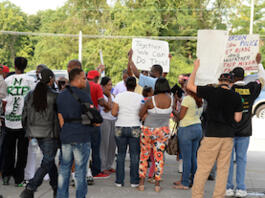
I want the police to be better armed than the bad guys, but what exactly does that mean today?
Even as thousands of new illegal immigrants flood over the border, more Americans than ever doubt whether it is possible for most people in this country to escape being poor.
A new Rasmussen Reports national telephone survey finds that 44% of American Adults still believe it is possible for just about anyone in the United States to work their way out of poverty. That’s consistent with findings since April of last year but down from the high 40s and low 50s for several years prior to that. However, 40% now think it is not possible for just about anyone to escape poverty, up just two points from 38% in March but the highest finding in regular surveying since January 2009 just after the Wall Street meltdown. Sixteen percent (16%) more are not sure. (To see survey question wording, click here.)
(Want a free daily e-mail update? If it's in the news, it's in our polls). Rasmussen Reports updates are also available on Facebook.
The survey of 1,000 American Adults was conducted on July 18-19, 2014 by Rasmussen Reports. The margin of sampling error is +/- 3 percentage points with a 95% level of confidence. Field work for all Rasmussen Reports surveys is conducted by Pulse Opinion Research, LLC. See methodology.
The U.S. Department of Agriculture is proposing major changes in grocery stores to encourage Americans to alter their eating habits, including talking shopping carts and giveaway prizes for those who buy healthier items. But most Americans feel it is not the federal government’s role to try to change what they eat.
Only 21% of Americans say they are more likely to shop in a grocery store that uses the government-proposed methods to encourage healthier eating. A new Rasmussen Reports national telephone survey finds that 33% are less likely to shop in a store that employs these methods. Forty-one percent (41%) says it would have no impact on their shopping decisions. (To see survey question wording, click here.)
Want a free daily e-mail update? If it's in the news, it's in our polls). Rasmussen Reports updates are also available on Twitter or Facebook.
The survey of 1,000 Adults nationwide was conducted on July 20-21, 2014 by Rasmussen Reports. The margin of sampling error is +/- 3 percentage points with a 95% level of confidence. Field work for all Rasmussen Reports surveys is conducted by Pulse Opinion Research, LLC. See methodology.
Why do you think President Obama's job rating is falling, even though the economy is recovering? the interviewer asked.
Most Americans don’t think air travel can ever be made completely safe from incidents like last week's shootdown in Ukraine, but they also say the tragedy won’t prevent them from flying in the future.
A new Rasmussen Reports national telephone survey finds that nine percent (9%) of American Adults believe air travel can be made completely safe from incidents like the one in Ukraine, but 71% disagree. Another 20% are undecided. (To see survey question wording, click here.)
(Want a free daily e-mail update? If it's in the news, it's in our polls). Rasmussen Reports updates are also available on Twitter or Facebook.
The survey of 1,000 Adults was conducted on July 20-21, 2014 by Rasmussen Reports. The margin of sampling error is +/- 3 percentage points with a 95% level of confidence. Field work for all Rasmussen Reports surveys is conducted by Pulse Opinion Research, LLC. See methodology.
Voters strongly believe the United States is a more divided nation these days, and they think both sides are to blame. Most are also ready to do something about it at the ballot box in November.
Sixty-seven percent (67%) of Likely U.S. Voters say America is a more divided nation than it was four years ago. A new Rasmussen Reports national telephone survey finds that just seven percent (7%) think the country is less divided now, while 21% rate the level of division as about the same.(To see survey question wording, click here.)
(Want a free daily e-mail update? If it's in the news, it's in our polls). Rasmussen Reports updates are also available on Twitter or Facebook.
The survey of 1,000 Likely Voters was conducted on July 17-18, 2014 by Rasmussen Reports. The margin of sampling error is +/- 3 percentage points with a 95% level of confidence. Field work for all Rasmussen Reports surveys is conducted by Pulse Opinion Research, LLC. See methodology.
It is often said, believed and undoubtedly right that the Republicans' ace in midterm elections is apathetic Democrats not showing up at the polls. But that once predictable waltz into November is threatened by blabbermouths of the right's seeking self-aggrandizement by hurling darts at the sleeping Democratic bear.
It's not that they don't know better. It's that their fame and fortune rests not on electing Republicans but on nurturing their brands. Brands don't take summer vacations.
Is this the new normal? Americans continue to hold a gloomy assessment of the economy’s chances for improvement in both the short- and long-term.
A new Rasmussen Reports national telephone survey finds that just 25% of American Adults believe the U.S. economy will be stronger a year from now. That’s virtually unchanged from 24% in March, the lowest level of optimism recorded in regular tracking since early January 2009 following the Wall Street meltdown. This finding has generally run in the mid-30s to low 40s for most of the last five-and-a-half years.
(Want a free daily e-mail update? If it's in the news, it's in our polls). Rasmussen Reports updates are also available on Facebook.
The survey of 1,000 American Adults was conducted on July 18-19, 2014 by Rasmussen Reports. The margin of sampling error is +/- 3 percentage points with a 95% level of confidence. Field work for all Rasmussen Reports surveys is conducted by Pulse Opinion Research, LLC. See methodology.
Democrats and Republicans are now tied on the latest Generic Congressional Ballot.
A new Rasmussen Reports national telephone survey for the week ending July 20 finds that 39% of Likely U.S. Voters would vote for the Democrat in their district’s congressional race if the election were held today, and the same number (39%) would choose the Republican instead. The last time the two parties were even was in March.
(Want a free daily e-mail update? If it's in the news, it's in our polls). Rasmussen Reports updates are also available on Twitter or Facebook.
The national telephone survey of 3,500 Likely Voters was conducted by Rasmussen Reports from July 14-July 20, 2014. The margin of sampling error for the survey is +/- 2 percentage points with a 95% level of confidence. Field work for all Rasmussen Reports surveys is conducted by Pulse Opinion Research, LLC. See methodology.
Flamboyant piety has long been fashionable on the political right, where activists, commentators and elected officials never hesitate to hector us about their great moral and theological rectitude. Wielding the Scriptures like a weapon, these righteous right-wingers are always eager to condemn the alleged sins of others but reluctant to examine their own. They seem to spend far more time in posturing and preening than spiritual reflection. Rarely does anyone call them out on their failures to fulfill their proclaimed devotion, because, in this country, that is considered rude.
On a list of some of the world’s best-known conspiracy theories, Americans are most likely to believe the one about JFK‘s assassination. But President George W. Bush and President Obama don't escape suspicion. A new Rasmussen Reports national telephone survey finds that just 45% of American Adults reject as false the theory that President John F. Kennedy was assassinated by more than one shooter. Thirty-two percent (32%) believe more than one shooter was involved in the 1963 assassination in Dallas, and another 23% are undecided. (To see survey question wording, click here.)
(Want a free daily e-mail update? If it's in the news, it's in our polls). Rasmussen Reports updates are also available on Twitter or Facebook.
The survey of 1,000 Adults was conducted on July 16-17, 2014 by Rasmussen Reports. The margin of sampling error is +/- 3 percentage points with a 95% level of confidence. Field work for all Rasmussen Reports surveys is conducted by Pulse Opinion Research, LLC. See methodology
U.S. voters are overwhelmingly convinced that Russia had a hand in the shootdown of a Malaysia Airlines passenger jet over Ukraine, but they also strongly believe any punishment should be a multinational one and not come from just the United States alone.
The latest Rasmussen Reports national telephone survey finds that 81% of Likely U.S. Voters believe it is at least somewhat likely that Russia was involved in some way in the shooting down of Malaysia Airlines Flight 17 last Thursday, with 57% who consider it Very Likely. Just seven percent (7%) think it’s not very or Not At All Likely that Russia was involved, but another 13% are not sure. (To see survey question wording, click here.)
(Want a free daily e-mail update? If it's in the news, it's in our polls). Rasmussen Reports updates are also available on Twitter or Facebook.
The survey of 1,000 Likely Voters was conducted on July 19-20, 2014 by Rasmussen Reports. The margin of sampling error is +/- 3 percentage points with a 95% level of confidence. Field work for all Rasmussen Reports surveys is conducted by Pulse Opinion Research, LLC. See methodology.
Voters still expect Republicans to repeal Obamacare if they take control of Congress in November, but they’re slightly more sympathetic now to a piece-by-piece approach to changing the law rather than a total overhaul.
The latest Rasmussen Reports national telephone survey finds that just 20% of Likely U.S. Voters now rate the new national health care law as a success, while 42% view it as a failure. Thirty-four percent (34%) see it as somewhere in between the two. (To see survey question wording, click here.)
(Want a free daily e-mail update? If it's in the news, it's in our polls). Rasmussen Reports updates are also available on Twitter or Facebook.
The survey of 1,000 Likely Voters was conducted on July 19-20, 2014 by Rasmussen Reports. The margin of sampling error is +/- 3 percentage points with a 95% level of confidence. Field work for all Rasmussen Reports surveys is conducted by Pulse Opinion Research, LLC. See methodology.
Longtime Republican Senator Jim Inhofe appears to be cruising comfortably toward reelection in Oklahoma.
Inhofe picks up 58% of the vote to Democrat Matt Silverstein’s 27% in a new Rasmussen Reports statewide telephone survey of Likely Oklahoma Voters. Four percent (4%) prefer some other candidate in the race, while 10% are undecided. (To see survey question wording, click here.)
(Want a free daily e-mail update? If it's in the news, it's in our polls). Rasmussen Reports updates are also available on Twitter or Facebook.
The survey of 750 Likely Voters in Oklahoma was conducted on July 15-16, 2014 by Rasmussen Reports. The margin of sampling error is +/- 4 percentage points with a 95% level of confidence. Field work for all Rasmussen Reports surveys is conducted by Pulse Opinion Research, LLC. See methodology.
These are not happy times for President Obama and his party, although it’s far from clear if Republicans can capitalize on that.
Half of voters continue to believe that there is a conflict between economic growth and fairness, and most still consider the former to be more important. However, the number who consider fairness more important continues to inch up.
A new Rasmussen Reports national telephone survey finds that 79% of Likely U.S. Voters believe that policies that encourage economic fairness are at least somewhat important, with 49% who think they are Very Important. Fifteen percent (15%) rate policies that encourage economic fairness as not very or Not At All Important. (To see survey question wording, click here.)
(Want a free daily e-mail update? If it's in the news, it's in our polls). Rasmussen Reports updates are also available on Twitter or Facebook.
The survey of 1,000 Likely Voters was conducted on July 15-16, 2014 by Rasmussen Reports. The margin of sampling error is +/- 3 percentage points with a 95% level of confidence. Field work for all Rasmussen Reports surveys is conducted by Pulse Opinion Research, LLC. See methodology.
More Americans than ever say they owe more money than they did last year, and they’re more pessimistic about their future interest rates.
A new Rasmussen Reports national telephone survey finds that 34% of American Adults now owe more money than they did last year, up from 32% last month and the highest finding in regular surveying since April 2009. Slightly fewer (31%) owe less now, while 33% say they owe about the same amount as they did last year. (To see survey question wording, click here.)
(Want a free daily e-mail update? If it's in the news, it's in our polls). Rasmussen Reports updates are also available on Twitter or Facebook.)
The survey of 1,000 American Adults was conducted on July 14-15, 2014 by Rasmussen Reports. The margin of sampling error is +/- 3 percentage points with a 95% level of confidence. Field work for all Rasmussen Reports surveys is conducted by Pulse Opinion Research, LLC. See methodology.
Republican Mary Fallin is in a surprisingly close contest for reelection in Rasmussen Reports’ first look at the 2014 gubernatorial race in Oklahoma.
A new statewide telephone survey of Likely Oklahoma Voters finds Fallin with 45% support to Democratic state Representative Joe Dorman’s 40%. Seven percent (7%) favor some other candidate, while eight percent (8%) are undecided. (To see survey question wording, click here.)
(Want a free daily e-mail update? If it's in the news, it's in our polls). Rasmussen Reports updates are also available on Twitter or Facebook.
The survey of 750 Likely Voters in Oklahoma was conducted on July 15-16, 2014 by Rasmussen Reports. The margin of sampling error is +/- 4 percentage points with a 95% level of confidence. Field work for all Rasmussen Reports surveys is conducted by Pulse Opinion Research, LLC. See methodology.
Liberals just aren't very liberal these days. The word "liberal" comes from the Latin word meaning freedom, and in the 19th century, liberals in this country and abroad stood for free speech, free exercise of religion, free markets, free trade -- for minimal state interference in people's lives.
With inflation worries at recent highs, the number of Americans who are paying more for groceries also has risen to its highest level in over two years. There's an increasing lack of confidence, too, that the Federal Reserve Board can keep inflation under control.
A new Rasmussen Reports national telephone survey finds that 88% of American Adults say they are paying more for groceries this year than the year before. This finding is up six points from last month and the highest since May 2012. Only seven percent (7%) say they are not paying more than they were a year ago, the lowest finding since January 2012. Five percent (5%) are not sure. (To see survey question wording, click here.)
(Want a free daily e-mail update? If it's in the news, it's in our polls). Rasmussen Reports updates are also available on Twitter or Facebook.
The survey of 1,000 American Adults was conducted on July 14-15, 2014 by Rasmussen Reports. The margin of sampling error is +/- 3 percentage points with a 95% level of confidence. Field work for all Rasmussen Reports surveys is conducted by Pulse Opinion Research, LLC. See methodology.