Video: What Did Pollsters Miss in Predicting New Hampshire's 2008 Democratic Primary?
The voting has begun in New Hampshire, America’s first-in-the-nation presidential primary, and many are the questions we won’t have answered until this evening.
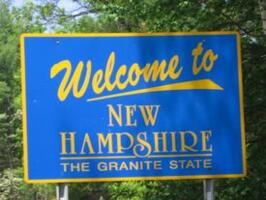
The voting has begun in New Hampshire, America’s first-in-the-nation presidential primary, and many are the questions we won’t have answered until this evening.

Every four years New Hampshire is invaded by politicians as the presidential nomination race of one or both parties begins to formally take off. This year, only the Republicans are battling it out in the Granite State, and roughly one-in-three of New Hampshire’s Likely GOP Primary Voters have personally met at least one of the candidates.
The latest Rasmussen Reports telephone survey in the state finds that the overwhelming majority of New Hampshire Republicans (68%) have not met any of the candidates. But 11% have personally met one; another 10% have met two of the candidates, while five percent (5%) have met three of the six men seeking the GOP nomination. Six percent (6%) have met more than three. (To see survey question wording, click here.)
(Want a free daily e-mail update? If it's in the news, it's in our polls). Rasmussen Reports updates are also available on Twitter or Facebook.
This New Hampshire survey of 722 Likely Republican Primary Voters was conducted on January 8, 2012 by Rasmussen Reports. The margin of sampling error is +/- 4 percentage points with a 95% level of confidence. Field work for all Rasmussen Reports surveys is conducted by Pulse Opinion Research, LLC. See methodology.
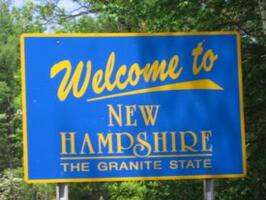
The voting has begun in New Hampshire, America’s first-in-the-nation presidential primary, and many are the questions we won’t have answered until this evening.
For the first time since early December, Newt Gingrich is within single digits of President Obama in an Election 2012 matchup.
A new Rasmussen Reports national telephone survey of Likely U.S. Voters finds Obama earning 46% support to Gingrich’s 38%. Ten percent (10%) prefer some other candidate, while six percent (6%) are not sure. (To see survey question wording, click here.)
The survey of 1,000 Likely Voters was conducted on January 5-6, 2012 by Rasmussen Reports. The margin of sampling error is +/- 3 percentage points with a 95% level of confidence. Field work for all Rasmussen Reports surveys is conducted by Pulse Opinion Research, LLC. See methodology.
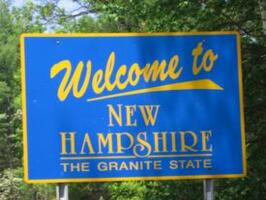
The voting has begun in New Hampshire, America’s first-in-the-nation presidential primary, and many are the questions we won’t have answered until this evening.

Very few voters like the fact that Iowa and New Hampshire always go first in the presidential selection process, and most prefer the idea of regional primaries instead.
The latest Rasmussen Reports national telephone survey finds that just 18% think it’s good for the presidential nomination process that the Iowa caucuses and the New Hampshire Primary are first every four years. Thirty-nine percent (39%) think it’s bad for the selection process, but a sizable 43% are not sure. (To see survey question wording, click here.)
(Want a free daily e-mail update? If it's in the news, it's in our polls). Rasmussen Reports updates are also available on Twitter or Facebook.
The survey of 1,000 Likely Voters was conducted on January 7-8, 2012 by Rasmussen Reports. The margin of sampling error is +/- 3 percentage points with a 95% level of confidence. Field work for all Rasmussen Reports surveys is conducted by Pulse Opinion Research, LLC. See methodology.
The voting has begun in New Hampshire, America’s first-in-the-nation presidential primary, and many are the questions we won’t have answered until this evening.
Let's set aside the back-and-forth over the recess appointment of
Richard Cordray as chief watchdog at the new Consumer Financial Protection
Bureau. President Obama named the former Ohio attorney general to lead the
agency when the Senate was supposedly out of session, which he's allowed to
do.
The voting has begun in New Hampshire, America’s first-in-the-nation presidential primary, and many are the questions we won’t have answered until this evening.
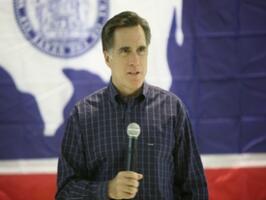
Mitt Romney, the former governor of neighboring Massachusetts, remains well ahead of his nearest rival in Rasmussen Reports’ final survey of the New Hampshire Republican Primary race.
Romney earns 37% support, with Texas Congressman Ron Paul a distant second with 17% of the vote in the latest telephone survey of Likely Republican Primary Voters taken Sunday night. Former Utah Governor Jon Huntsman is now in third with 15%, up slightly from 12% late last week.
(Want a free daily e-mail update? If it's in the news, it's in our polls). Rasmussen Reports updates are also available on Twitter or Facebook.
This New Hampshire survey of 722 Likely Republican Primary Voters was conducted on January 8, 2012 by Rasmussen Reports. The margin of sampling error is +/- 4 percentage points with a 95% level of confidence. Field work for all Rasmussen Reports surveys is conducted by Pulse Opinion Research, LLC. See methodology.
The voting has begun in New Hampshire, America’s first-in-the-nation presidential primary, and many are the questions we won’t have answered until this evening.
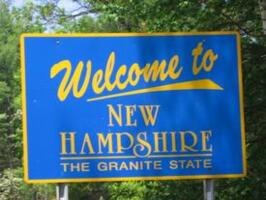
The voting has begun in New Hampshire, America’s first-in-the-nation presidential primary, and many are the questions we won’t have answered until this evening.
Republicans now hold a six-point lead over Democrats on the Generic Congressional Ballot for the week ending Sunday, Jan. 8.
A new Rasmussen Reports national telephone survey finds that 44% of Likely U.S. Voters would vote for the Republican in their district’s congressional race if the election were held today, while 38% would choose the Democrat instead.
(Want a free daily e-mail update? If it's in the news, it's in our polls). Rasmussen Reports updates are also available on Twitter or Facebook.

Members of the Washington, D.C. City Council are proposing a law that would make all high school students take college entrance exams and apply to at least one post-secondary school as requirements for graduation. But most Americans don't like the proposals.
A new Rasmussen Reports national telephone survey finds that just 24% of Adults favor a law in their community that would require all high school students to apply to at least one college as a requirement for graduation. Sixty-eight percent (68%) oppose such a law. (To see survey question wording, click here.)
(Want a free daily e-mail update ? If it's in the news, it's in our polls). Rasmussen Reports updates are also available on Twitter or Facebook.
The national survey of 1,000 Adults was conducted on January 4-5, 2012 by Rasmussen Reports. The margin of sampling error is +/- 3 percentage points with a 95% level of confidence. Field work for all Rasmussen Reports surveys is conducted by Pulse Opinion Research, LLC. See methodology.
Former Pennsylvania Senator Rick Santorum, surging among Republican voters, also earns his highest level of support to date in an Election 2012 matchup with President Obama but still trails the incumbent by seven points.
A new Rasmussen Reports national telephone survey of Likely U.S. Voters finds Obama receiving 46% of the vote to Santorum’s 39%. Nine percent (9%) prefers some other candidate, while another six percent (6%) are not sure. (To see survey question wording, click here.)
The survey of 1,000 Likely Voters was conducted on January 5-6, 2012 by Rasmussen Reports. The margin of sampling error is +/- 3 percentage points with a 95% level of confidence. Field work for all Rasmussen Reports surveys is conducted by Pulse Opinion Research, LLC. See methodology.
While the Republican presidential hopefuls continue to fight it out on the campaign trail, former Massachusetts Governor Mitt Romney is the only GOP contender that most voters view as having a chance against President Obama.
Fifty-three percent (53%) of Likely U.S. Voters think Romney is at least somewhat likely to beat the president in November.
(Want a free daily e-mail update? If it's in the news, it's in our polls). Rasmussen Reports updates are also available on Twitter or Facebook.
The survey of 1,000 Likely Voters was conducted on January 5-6, 2012 by Rasmussen Reports. The margin of sampling error is +/- 3 percentage points with a 95% level of confidence. Field work for all Rasmussen Reports surveys is conducted by Pulse Opinion Research, LLC. See methodology.
A presidential campaign exposes candidates' strengths and weaknesses. The strengths they're eager to tell you about. So let's look at the weaknesses.
Start with Rick Santorum, whose poll numbers in New Hampshire and South Carolina have been surging since (by last count) he lost the Iowa caucuses by the Chinese lucky number of 8 votes.
Most voters still want to see the national health care law repealed and believe repeal of the controversial measure is likely.
The latest Rasmussen Reports national telephone survey finds that 54% of Likely U.S. Voters at least somewhat favor repeal of the law, while 39% are at least somewhat opposed. This includes 42% of voters who Strongly Favor repeal versus 29% who Strongly Oppose it. (To see survey question wording, click here.)
The survey of 1,000 Likely Voters was conducted on January 7-8, 2012 by Rasmussen Reports. The margin of sampling error is +/- 3 percentage points with a 95% level of confidence. Field work for all Rasmussen Reports surveys is conducted by Pulse Opinion Research, LLC. See methodology.
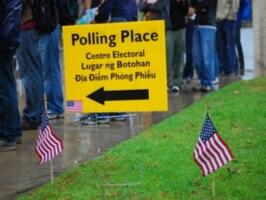
Texas Congressman Ron Paul at a debate Saturday night in New Hampshire refused to rule out a third party run for the presidency if he fails to win the Republican nomination. But there’s minimal support for a third party candidate among Republican voters even if their favorite candidate is not the nominee.
A new Rasmussen Reports national telephone survey finds that six percent (6%) of Likely Republican Primary voters nationwide say they would vote for a third party candidate if the candidate they’re backing for the GOP nomination comes up short. Slightly more (8%) say they would vote for President Obama if that was the case. But 78% of these GOP voters plan to vote for the Republican candidate no matter what. (To see survey question wording, click here.)
The national survey of 1,000 Likely Republican Primary Voters was conducted on January 4, 2012 by Rasmussen Reports. The margin of sampling error is +/- 3 percentage points with a 95% level of confidence. Field work for all Rasmussen Reports surveys is conducted by Pulse Opinion Research, LLC. See methodology.

Most Americans agree that military service is good for the young but also acknowledge that it's a more stressful line of work than most other jobs.
A new Rasmussen Reports national telephone survey finds that 66% of American Adults believe serving in the military service is good for young people, Just 17% disagree, while another 17% are not sure. (To see survey question wording, click here.)
The survey of 1,000 Adults nationwide was conducted on December 30, 2011 by Rasmussen Reports. The margin of sampling error is +/- 3 percentage points with a 95% level of confidence. Field work for all Rasmussen Reports surveys is conducted by Pulse Opinion Research, LLC. See methodology.
