Offensive Speech By John Stossel
Last week, when the NBA banned racist team owner Donald Sterling, some said: "What about free speech? Can't a guy say what he thinks anymore?"
Half of voters still fear the government won’t take the necessary steps to help the economy, and most continue to think spending cuts are the way to do it.
A new Rasmussen Reports national telephone survey finds that 38% of Likely U.S. Voters are worried the federal government will do too much in reacting to the nation’s economic problems. Fifty-one percent (51%) are more worried the government will not do enough. Eleven percent (11%) are undecided. (To see survey question wording, click here.)
(Want a free daily e-mail update? If it's in the news, it's in our polls). Rasmussen Reports updates are also available on Facebook.
The survey of 1,000 Likely Voters was conducted on May 3-4, 2014 by Rasmussen Reports. The margin of sampling error is +/- 3 percentage points with a 95% level of confidence. Field work for all Rasmussen Reports surveys is conducted by Pulse Opinion Research, LLC. See methodology.
Fewer voters look favorably on the feds these days.
A new Rasmussen Reports national telephone survey finds that 28% of Likely U.S. Voters have a favorable opinion of the federal government. Most voters (67%) continue to view the federal government unfavorably. These findings include just three percent with a Very Favorable impression of the federal government and 31% with a Very Unfavorable one. (To see survey question wording, click here.)
(Want a free daily e-mail update? If it's in the news, it's in our polls). Rasmussen Reports updates are also available on Twitter or Facebook.
The survey of 1,000 Likely Voters was conducted on May 1-2, 2014 by Rasmussen Reports. The margin of sampling error is +/- 3 percentage points with a 95% level of confidence. Field work for all Rasmussen Reports surveys is conducted by Pulse Opinion Research, LLC. See methodology.
Most Americans still support the death penalty despite the recent botched lethal injection given to the convicted murderer of a 19-year-old woman in Oklahoma.
A new Rasmussen Reports national telephone survey finds that 56% of American Adults favor the death penalty, down slightly from 59% in March of last year, while 28% oppose it. Sixteen percent (16%) are undecided. (To see survey question wording, click here.)
(Want a free daily e-mail update? If it's in the news, it's in our polls). Rasmussen Reports updates are also available on Twitter or Facebook.
The national survey of 1,000 American Adults was conducted on May 2-3, 2014 by Rasmussen Reports. The margin of sampling error is +/- 3 percentage points with a 95% level of confidence. Field work for all Rasmussen Reports surveys is conducted by Pulse Opinion Research, LLC. See methodology.
Republicans still hold the advantage in terms of voter trust on most major issues regularly tracked by Rasmussen Reports, including the number one concern, the economy.
The economy remains the most important issue to voters in terms of how they will vote in the next congressional election,and Republicans have a 46% to 39% lead in voter trust in that area, according to new national telephone surveying. That ties the largest gap between the parties on the issue since May 2012. Since June 2009, the GOP has led in voter trust on the economy in all but one survey. (To see survey question wording, click here.)
(Want a free daily e-mail update? If it's in the news, it's in our polls). Rasmussen Reports updates are also available on Twitter or Facebook
Three national surveys of 1,000 Likely Voters each were conducted on April 23-24, April 27-28 and April 29-30, 2014 by Rasmussen Reports. The margin of sampling error is +/- 3 percentage points with a 95% level of confidence. Field work for all Rasmussen Reports surveys is conducted by Pulse Opinion Research, LLC. See methodology.
Second-term presidencies are an opportunity for bipartisan compromise. The institutional stars are in alignment to address long-range problems not amenable in other circumstances.
The president is barred from running for a third term and thus does not have to worry about his next campaign. In Congress, members of the president's party, with some reason to fear losses in the off-year election, may be willing to compromise before their bargaining leverage weakens.
A top White House adviser said yesterday that there is nothing Congress can do to stop President Obama from reducing coal plant emissions, even though industry officials insist this will close power plants and drive up energy costs. Most voters are unwilling to pay more to reduce coal usage for energy production, but they’re evenly divided when asked if America should start phasing out coal-fired plants.
A new Rasmussen Reports national telephone survey finds that just 20% of Likely U.S. Voters correctly recognize that 40% of America’s electricity is now being produced by coal-burning power plants. Forty-three percent (43%) believe coal produces more of the nation’s electric power than that, with 16% who peg it at 80%. Just 13% think coal-fueled plants produce less than 40% of the country’s electricity, but 24% are not sure. (To see survey question wording, click here.)
(Want a free daily e-mail update? If it's in the news, it's in our polls). Rasmussen Reports updates are also available on Twitter or Facebook.
The survey of 1,000 Likely Voters was conducted on May 1-2, 2014 by Rasmussen Reports. The margin of sampling error is +/- 3 percentage points with a 95% level of confidence. Field work for all Rasmussen Reports surveys is conducted by Pulse Opinion Research, LLC. See methodology.

BAKERSFIELD, Calif. -- This summer, even drinking water may be hard to find in some central California towns. This region is in its third year of drought, among the worst in recorded history.
Yet agribusinesses are planting huge new groves of thirsty almond and pistachio trees. Bear in mind, these are permanent plantings. A quick crop such as alfalfa can be plowed under during a water crisis. Trees and vines, on the other hand, need years to mature. An acre could be a $3 million investment.
Democrats have retaken the lead on the Generic Congressional Ballot for the week ending Sunday, May 4.
A new Rasmussen Reports national telephone survey finds that 41% of Likely U.S. Voters would vote for the Democrat in their district’s congressional race if the election were held today, while 37% would choose the Republican instead.
(Want a free daily e-mail update? If it's in the news, it's in our polls). Rasmussen Reports updates are also available on Twitter or Facebook.
The national telephone survey of 3,500 Likely Voters was conducted by Rasmussen Reports from April 28-May 4, 2014. The margin of sampling error for the survey is +/- 2 percentage points with a 95% level of confidence. Field work for all Rasmussen Reports surveys is conducted by Pulse Opinion Research, LLC. See methodology.

A plurality of Americans believes the penalties leveled against Los Angeles Clippers owner Donald Sterling for racist comments he made are generally fair, but they are not convinced he should be forced to sell the team.
A new Rasmussen Reports national telephone survey shows that 30% of American Adults believe the National Basketball Association’s punishment of Sterling, which included a $2.5 million fine and a lifetime ban from the league, is too severe. Just 13% say the penalties are not severe enough. Forty-five percent (45%) say the punishment is about right, while another 12% are undecided. (To see survey question wording, click here.)
(Want a free daily e-mail update? If it's in the news, it's in our polls). Rasmussen Reports updates are also available on Twitter and Facebook.
The survey of 1,000 Adults was conducted on May 2-3, 2014 by Rasmussen Reports. The margin of sampling error is +/- 3 percentage points with a 95% level of confidence. Field work for all Rasmussen Reports surveys is conducted by Pulse Opinion Research, LLC. See methodology.
Most voters suspect the Obama administration hasn’t been completely forthcoming about how it reacted to the murder of the U.S. ambassador to Libya and several other Americans in Benghazi, Libya. Just over half think the Benghazi matter deserves further investigation.
Only 32% of Likely U.S. Voters are satisfied with the administration’s explanation of its response to the Benghazi situation in September 2012, according to a new Rasmussen Reports national telephone survey. Fifty percent (50%) are not satisfied with the administration’s explanation. Eighteen percent (18%) are not sure. (To see survey question wording, click here.)
(Want a free daily e-mail update? If it's in the news, it's in our polls). Rasmussen Reports updates are also available on Twitter or Facebook.
The survey of 1,000 Likely Voters was conducted on May 3-4, 2014 by Rasmussen Reports. The margin of sampling error is +/- 3 percentage points with a 95% level of confidence. Field work for all Rasmussen Reports surveys is conducted by Pulse Opinion Research, LLC. See methodology.

Most voters still view the new national health care law unfavorably and expect it to push up health care costs.
The latest Rasmussen Reports national telephone survey finds that 43% of Likely U.S. Voters have at least a somewhat favorable opinion of the law, down from a recent high of 45% two weeks ago, while 53% view it unfavorably. Still, both figures are an improvement from a month ago when favorables fell to 39%, while unfavorables climbed to a high of 58%. The latest findings include 21% with a Very Favorable opinion of the law and 40% with a Very Unfavorable one. (To see survey question wording, click here.)
Americans are slightly more optimistic about the job market than they were two months ago.
A new Rasmussen Reports national telephone survey finds that 69% of American Adults know someone who is out of work and looking for a job. That’s down four points from March and is the lowest finding measured since September. From 2010 through early last year, this figure regularly ran in the mid- to high 70s. (To see survey question wording, click here.)
(Want a free daily e-mail update? If it's in the news, it's in our polls). Rasmussen Reports updates are also available on Twitter and Facebook.
The survey of 1,000 Adults was conducted on April 30-May 1, 2014 by Rasmussen Reports. The margin of sampling error is +/- 3 percentage points with a 95% level of confidence. Field work for all Rasmussen Reports surveys is conducted by Pulse Opinion Research, LLC. See methodology.
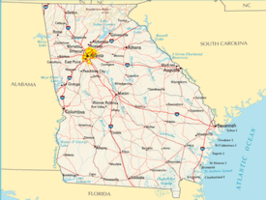
The midterm congressional election season now begins in earnest, with primaries next week in North Carolina and later this month in several other states including Arkansas, Georgia and Kentucky. Messy intraparty disputes will be settled, and the final matchups will be set.
Tennessee Governor Bill Haslam has a commanding lead over his leading potential Democratic challenger in Tennessee's 2014 gubernatorial race.
A new Rasmussen Reports statewide telephone survey of Likely Tennessee Voters shows Haslam picking up 57% of the vote to former Sullivan County Commissioner John McKamey’s 27%. Five percent (5%) prefer some other candidate in the race, while 11% are undecided. (To see survey question wording, click here.)
Considering that over half of voters agree neither party in Congress is the party of the American people, it's not surprising that more now say they have voted for an independent candidate.
A new Rasmussen Reports national telephone survey finds that 56% of Likely U.S. Voters have voted for a candidate not affiliated with either major political party. That's up six points from 50% four years ago before the last mid-term congressional elections. (To see survey question wording, click here.)
(Want a free daily e-mail update? If it's in the news, it's in our polls). Rasmussen Reports updates are also available on Facebook.
The survey of 1,000 Likely Voters was conducted on April 19-20, 2014 by Rasmussen Reports. The margin of sampling error is +/- 3 percentage points with a 95% level of confidence. Field work for all Rasmussen Reports surveys is conducted by Pulse Opinion Research, LLC. See methodology.

Incumbent Senator Lamar Alexander and his Republican primary challenger Joe Carr both far outdistance the top two Democratic hopefuls in Tennessee’s U.S. Senate race, but Alexander is the stronger of the two GOP candidates.
A new Rasmussen Reports statewide telephone survey of Likely Tennessee Voters finds that Alexander earns 50% support versus Democrat Terry Adams’ 26%. Ten percent (10%) like some other candidate, while 15% are undecided. (To see question wording, click here.)
(Want a free daily e-mail update? If it's in the news, it's in our polls). Rasmussen Reports updates are also available on Twitter or Facebook.
The survey of 750 Likely Voters in Tennessee was conducted on April 29-30, 2014 by Rasmussen Reports. The margin of sampling error is +/- 4 percentage points with a 95% level of confidence. Field work for all Rasmussen Reports surveys is conducted by Pulse Opinion Research, LLC. See methodology.

For a president who hasn't enjoyed many foreign policy successes lately, Barack Obama did pretty well on his just completed trip to Asia.
In Japan, he reiterated in no uncertain terms the American defense commitment, including on the Senkaku islands in the East China Sea, which China also claims and calls the Diaoyus.
Michael Barone, senior political analyst at the Washington Examiner, (www.washingtonexaminer.com), where this article first appeared, is a resident fellow at the American Enterprise Institute, a Fox News Channel contributor and a co-author of The Almanac of American Politics. To find out more about Michael Barone, and read features by other Creators writers and cartoonists, visit the Creators Syndicate Web page at www.creators.com.
COPYRIGHT 2014 THE WASHINGTON EXAMINER
DISTRIBUTED BY CREATORS.COM
Voters remain conservative on money issues and continue to be more conservative when it comes to social policy.
A new Rasmussen Reports national survey finds that 41% of Likely U.S. Voters identify themselves as conservative on fiscal issues such as taxes, government spending and business regulation. That's unchanged from December which marked the lowest number of fiscal conservatives in over a year. However, just 14% are liberal in this area, while 40% view themselves as moderates. (To see survey question wording, click here.)
Few voters consider Ukraine a top security concern despite its regular presence in the news these days. Russia is what voters care about.