Most Americans Are Skipping Black Friday
Despite all the hype, most Americans are sitting out the Black Friday sales this year.

Despite all the hype, most Americans are sitting out the Black Friday sales this year.

An overwhelming percentage of Americans still say they have a lot to be thankful for, even if they put slightly less importance on Thanksgiving as a holiday.

History is on our side. That's a claim Barack Obama has made frequently, in his two successful campaigns for president and during his nearly eight years in office. It's a claim that looks a little shakier this Thanksgiving holiday than it did during the Halloween holiday three weeks ago.
This is a football story with both political and legal implications.
It was fourth down in a National Football League game, and the punting team came onto the field. The other team went into their formation to defend against the punt. Then somebody noticed that the man set to kick the punt was black.
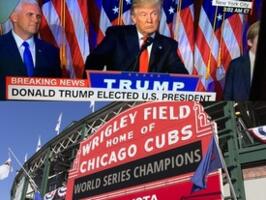
This year was full of surprises, but it turns out that the election of Donald Trump for president shocked more Americans than the Chicago Cubs winning the World Series after 108 years.
Alert the CDC: Left-wing America has been overcome by another contagious epidemic of assassination fascination. It's time to declare a public health crisis.

Maybe it’s to host friends and family, maybe it’s to gear up for Black Friday shopping, or maybe there’s really just no place like home. Whatever the reason, most Americans don’t plan on traveling away from home this Thanksgiving.
Tomorrow, as you celebrate the meal the Pilgrims ate with Indians, pause a moment to thank private property.
It all began with Jeff Sessions from Alabama. Even before they coined a term for it — Borking — they did it to Jeff Sessions, a decent man with a stellar legal reputation as a fearless and tough but fair federal prosecutor down South.
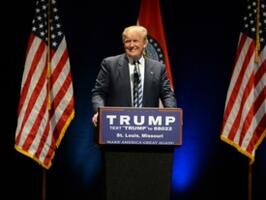
Voters have a more positive opinion of president-elect Donald Trump following his unexpected victory than they did throughout his campaign.
After a week managing the transition, vice president-elect Mike Pence took his family out to the Broadway musical "Hamilton."
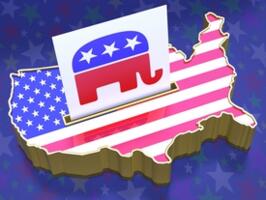
More than half of voters feel comfortable with the prospect of one party controlling both the Executive and Legislative branches of government, as Republicans will do when Donald Trump enters the White House in January. Democratic voters have changed their tune on this arrangement following Election Day.
People who call themselves "progressives" claim to be forward-looking, but a remarkable amount of the things they say and do are based on looking backward.
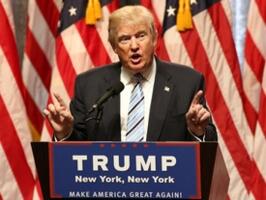
He may have been the outsider candidate elected on a promise to “drain the swamp” of Washington, DC, but voters are more concerned president-elect Donald Trump will try to make too many changes than too few.
What is to become of the Democratic Party? The world's oldest political party, which traces its roots to 1792, is in as dire straits as it has ever been.

Thirty-three percent (33%) of Likely U.S. Voters think the country is heading in the right direction, according to a new Rasmussen Reports national telephone and online survey for the week ending November 17. All five nights included in the survey followed Republican Donald Trump's election as the next president of the United States.

This Friday is Black Friday, often known as the biggest shopping day of the year and an unofficial kickoff to the holiday shopping season. And this year, Americans are ready to shop and spend even more.
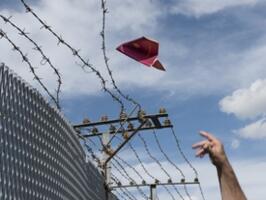
Voters appear to be strongly on board with two policies president-elect Donald Trump is calling for when he enters the White House: deporting illegal immigrants convicted of major felonies and mandatory prison sentences for those who try to return.
After president-elect Donald Trump's 10-15 minute scheduled get-to-know-you with president Barack Obama ran an hour and a half, too many of my friends who ought to know better contacted me with some variant of "maybe everything really is going to be OK after all."

Talk is cheap in politics, so now voters will begin to find out if Donald Trump can deliver on what he promised.
