Most Want to Continue Subsidies to PBS, NPR
President Trump reportedly wants to cut taxpayer funding of PBS and NPR, but most Americans are opposed.
President Trump reportedly wants to cut taxpayer funding of PBS and NPR, but most Americans are opposed.
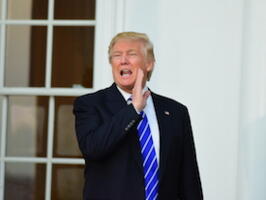
President Trump in his inaugural address charged the Washington, D.C. establishment with long profiting at the expense of the average American, and voters strongly agree.
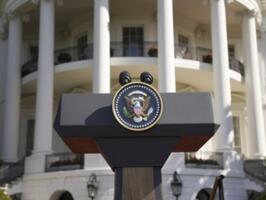
America has a new president, and voters are more comfortable than ever with the amount of power he holds.
As the patriotic pageantry of Inauguration Day gave way to the demonstrations of defiance Saturday, our new America came into view. We are two nations now, two peoples.

Thirty-eight percent (38%) of Likely U.S. Voters think the country is heading in the right direction, according to a new Rasmussen Reports national telephone and online survey for the week ending January 19.

Some media commentators were highly critical of President Trump's use of the phrase "America First" in his inaugural address to describe his trade and foreign policy agenda, but most voters continue to feel that the new commander in chief is on the right track.
Anybody expecting President Trump to lay down arms and surrender his campaign once he got to Washington and give some kind of soaring inaugural address filled with gauzy political Pablum was sure in for a shocking dose of harsh reality Friday.
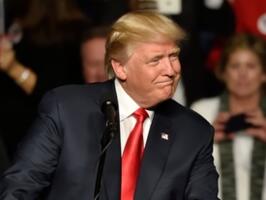
Voters overwhelmingly followed President Trump’s first day in office, but Republicans were a lot happier with it than others were.
Out with the old, in with the new.
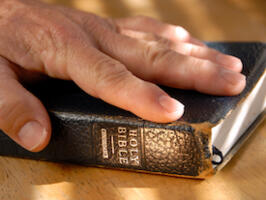
Donald Trump will be sworn in as president of the United States today on Abraham Lincoln’s Bible, the same one used by President Obama for both of his inaugurations. Voters strongly support the longstanding tradition of presidents swearing in on the Bible.
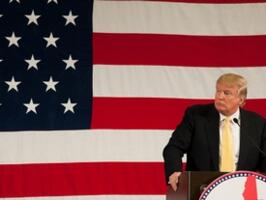
As the presidential inauguration of Donald Trump gets underway, most voters expect to tune in to at least some of it, although nearly half of Democrats say they’ll be tuning it out. With widespread protests planned, just over half of all voters are concerned about Trump's safety.
The United States has just had three consecutive eight-year presidencies, and it's only the second time in history that that's happened. The only other such moment came on March 4, 1825, 192 years ago.
I admit it: it's hard to find empathy for the liberal Democrats who supported Hillary Clinton and are now shocked, shocked, shocked that that horrible man Donald Trump is about to become president. We lefties kept saying that Bernie would have beaten Trump; now that we've been proven right it's only natural to want to keep rubbing the Hillarites' faces in their abject wrongness.
"Don't Make Any Sudden Moves" is the advice offered to the new president by Richard Haass of the Council on Foreign Relations, which has not traditionally been known as a beer hall of populist beliefs.
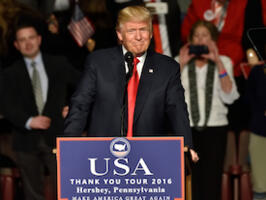
It’s Day One of the presidency that will Make America Great Again or the first day of the presidency of the most unqualified political charlatan in history, depending on whom you talk to.
Not since 1980 — or perhaps 1932 — has such a political revolution hit the banks of the Potomac River.
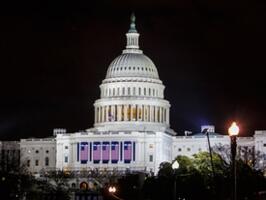
President-elect Donald Trump’s inauguration is still one day away, even though he officially won the presidency more than two months ago. But voters don’t seem to mind the wait.
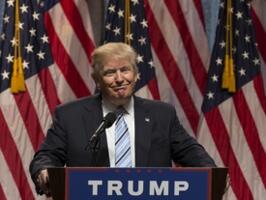
Voter attitudes about President-elect Donald Trump have changed little since Thanksgiving, with just over half of voters continuing to give him favorable marks.
Tomorrow marks the start of the brave new world of President Donald J. Trump. But today marks the end of the Obama-to-Trump transition. They, and we, survived the interregnum, more or less — and it was not guaranteed and is worth celebrating.
Even as the media lavishes praise on President Obama's legacy, voters strongly believe his successor will wipe out most of the changes made during the Obama years.
