Americans Would Rather Watch Sports on TV Than Live
More than half of Americans are avid sports fans, but most would rather enjoy sporting events in the comfort of their own home than in the stadium.

More than half of Americans are avid sports fans, but most would rather enjoy sporting events in the comfort of their own home than in the stadium.

"Iran must be free. The dictatorship must be destroyed. Containment is appeasement and appeasement is surrender."

Obamacare remains the law of the land, but President Trump is calling for repeal after Republicans failed to move a replacement bill through the Senate.
Fifty years ago this weekend, a deadly urban riot began in Detroit. It started around 3:30 a.m., when police arrested 85 patrons of a blind pig -- an illegal after-hours bar -- in the midst of an all-black neighborhood that had been all-white 15 or 20 years before.

Most Americans still believe it’s important for young people to participate in sports, though that number’s been slightly on the decline over the past five years.
Despite wall-to-wall media coverage of the Trump-Russia allegations, just one-out-of-four voters rate them as the most serious problem facing the nation. For most voters, economic issues, Obamacare and other problems are more serious.

Americans are feeling better about their own lives than they have in over a decade.
As they dig their trenches to try to withstand what may (or may not be) a Democratic wave, Republicans may take heart in the performance of their current incumbents last year as a buffer against a potentially challenging environment next year.
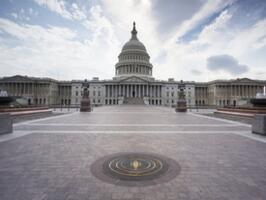
The Declaration of Independence says that governments derive their authority from the consent of the governed, but only one-in-four voters think the American government today has that consent.

Kid Rock recently announced his intention to run for the U.S. Senate seat in Michigan next year, but despite a celebrity winning the White House, voters aren’t any more likely to say they’d vote for a prominent entertainer.
It's "Made In America" week in Washington, D.C. You'd think this would be cause for bipartisan celebration. Who could be against highlighting the ingenuity, self-reliance and success of our nation's homegrown entrepreneurs and manufacturers?
Behold, this is your health care, run by the federal government.
Politicians far, far away in Washington — advised by armies of bureaucrats whose salaries you pay but you have never met — all huddled in Congress deciding what pills they will give you and how long is long enough for you to be on life support.

Despite news from the newly released Social Security trustee’s report that the Social Security trust fund will be depleted by 2034, voters like the program more than ever before and have more faith that they will receive their promised benefits.
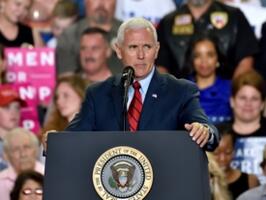
Voters don’t think Vice President Mike Pence would do a better job than Donald Trump and say even if he did become chief executive, the media would be nearly as biased against him as they are against Trump.

Despite their control of both chambers of Congress, Republicans have been unable to agree on any significant legislation this year and have failed to advance any of President Trump's reform agenda.
For a year, the big question of Russiagate has boiled down to this: Did Donald Trump's campaign collude with the Russians in hacking the DNC?
And until last week, the answer was "no."

Thirty-three percent (33%) of Likely U.S. Voters think the country is heading in the right direction, according to a new Rasmussen Reports national telephone and online survey for the week ending July 13.

Following a new CBO report on President Trump’s federal budget proposal, most voters still support thoughtful spending cuts in every area of the federal government, but differ across partisan lines over proposals to leave some cuts off the table.
Voters still place preference on a smaller, more hands-off government than on a larger, more hands-on one.
